

Unlocking the Health Benefits of a Mediterranean Meal Plan

The Mediterranean meal plan has gained widespread attention for its positive effects on health and longevity. Rooted in the traditional eating habits of countries bordering the Mediterranean Sea, this way of eating emphasizes fresh, whole foods and balanced nutrition. I’ve explored why this meal plan stands out and how it can support your well-being in practical, enjoyable ways.
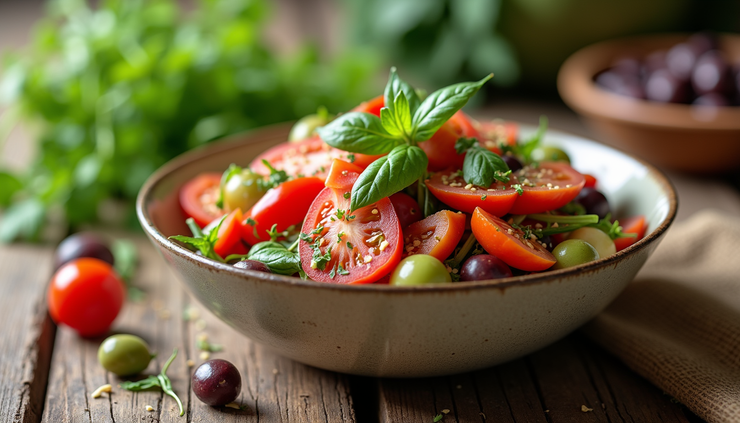
What Defines a Mediterranean Meal Plan?
The Mediterranean meal plan focuses on foods that are naturally rich in nutrients and flavor. It includes:
Fruits and vegetables: Tomatoes, leafy greens, citrus fruits, and more
Whole grains: Brown rice, whole wheat bread, and barley
Healthy fats: Primarily olive oil, nuts, and seeds
Lean proteins: Fish, seafood, legumes, and moderate amounts of poultry
Dairy: Mainly yogurt and cheese in moderation
Herbs and spices: Garlic, basil, oregano, and rosemary for flavor without excess salt
Limited red meat and sweets
This meal plan is not just about individual foods but the overall pattern of eating, which encourages variety, balance, and moderation.
Why This Meal Plan Supports Good Health
Research has linked the Mediterranean meal plan to numerous health benefits. Here are some key reasons it works well:
Heart Health
The Mediterranean diet is rich in monounsaturated fats from olive oil and omega-3 fatty acids from fish. These fats help reduce bad cholesterol (LDL) and increase good cholesterol (HDL), lowering the risk of heart disease. Studies show people following this diet have fewer heart attacks and strokes.
Weight Management
Because it emphasizes whole, minimally processed foods and healthy fats, this meal plan helps control appetite and supports a healthy weight. The fiber from fruits, vegetables, and whole grains also promotes fullness and better digestion.
Reduced Risk of Chronic Diseases
The antioxidants and anti-inflammatory compounds in Mediterranean foods help protect against diabetes, certain cancers, and neurodegenerative diseases. For example, regular consumption of nuts and olive oil has been associated with lower inflammation markers.
Improved Brain Function
Omega-3 fatty acids and antioxidants found in this diet support brain health. Research suggests that people who follow a Mediterranean meal plan may experience slower cognitive decline and a lower risk of Alzheimer’s disease.
How to Build a Mediterranean Meal Plan
Adopting this meal plan doesn’t mean giving up flavor or enjoyment. Here’s how you can start:
Focus on Plant-Based Foods
Make fruits and vegetables the centerpiece of your meals. Aim for a variety of colors and types to get a broad range of nutrients.
Choose Whole Grains
Swap refined grains for whole grains like quinoa, bulgur, or whole wheat pasta. These provide more fiber and nutrients.
Use Olive Oil as Your Main Fat
Replace butter or margarine with extra virgin olive oil for cooking and dressings. It adds flavor and heart-healthy fats.
Include Fish and Seafood Twice a Week
Fatty fish like salmon, sardines, and mackerel are excellent sources of omega-3s. Grilled or baked options work well.
Enjoy Nuts and Seeds as Snacks
A handful of almonds, walnuts, or sunflower seeds can satisfy hunger and provide healthy fats.
Limit Red Meat and Sweets
Reserve red meat for occasional meals and choose lean cuts. Enjoy sweets sparingly, focusing on fresh fruit for dessert.
Sample Mediterranean Meal Plan for a Day
To give you a clearer idea, here’s a simple day following this meal plan:
Breakfast: Greek yogurt with honey, walnuts, and fresh berries
Lunch: Whole grain pita stuffed with grilled vegetables, hummus, and a side salad
Snack: A small handful of mixed nuts and an orange
Dinner: Baked salmon with lemon and herbs, quinoa, and steamed broccoli
Dessert: Fresh figs or a small piece of dark chocolate
Tips for Success and Enjoyment
Cook at home more often: This helps control ingredients and portion sizes.
Experiment with herbs and spices: They add flavor without extra salt or fat.
Eat meals with family or friends: The Mediterranean lifestyle values social connection during meals.
Stay hydrated: Water is the main drink; moderate wine intake is traditional but optional.
Be flexible: Adapt the plan to your tastes and dietary needs.

By focusing on whole, minimally processed foods and embracing the balance, variety, and enjoyment inherent in the Mediterranean approach, you can create a sustainable and flavorful way of eating that supports long-term health.
In Health,
Susan



Comments